Excavating in Mission Valley presents a completely different animal than working up on the Kearny Mesa mesas. Down in the valley, you are hitting soft alluvium and groundwater just a few feet below the surface; up top on the mesa, you are cutting into dense, cemented stadium conglomerate that laughs at a standard bucket. Our team has spent years navigating San Diego's wildly contrasting soil profiles, from the expansive claystones of La Jolla to the loose, windblown sands closer to the coast. Designing a shoring system here means understanding that the ground conditions can flip within a single city block. We often combine the excavation design with a site investigation using SPT drilling to nail down the exact stratigraphy before specifying the shoring loads, ensuring the lateral earth pressures are calculated against real, site-specific data rather than an overly conservative textbook assumption.
In San Diego's canyon-fill terrain, a deep excavation is not just a hole in the ground—it's a temporary structure that has to hold back a chaotic mix of debris, silts, and cobbles.
Service characteristics in San Diego
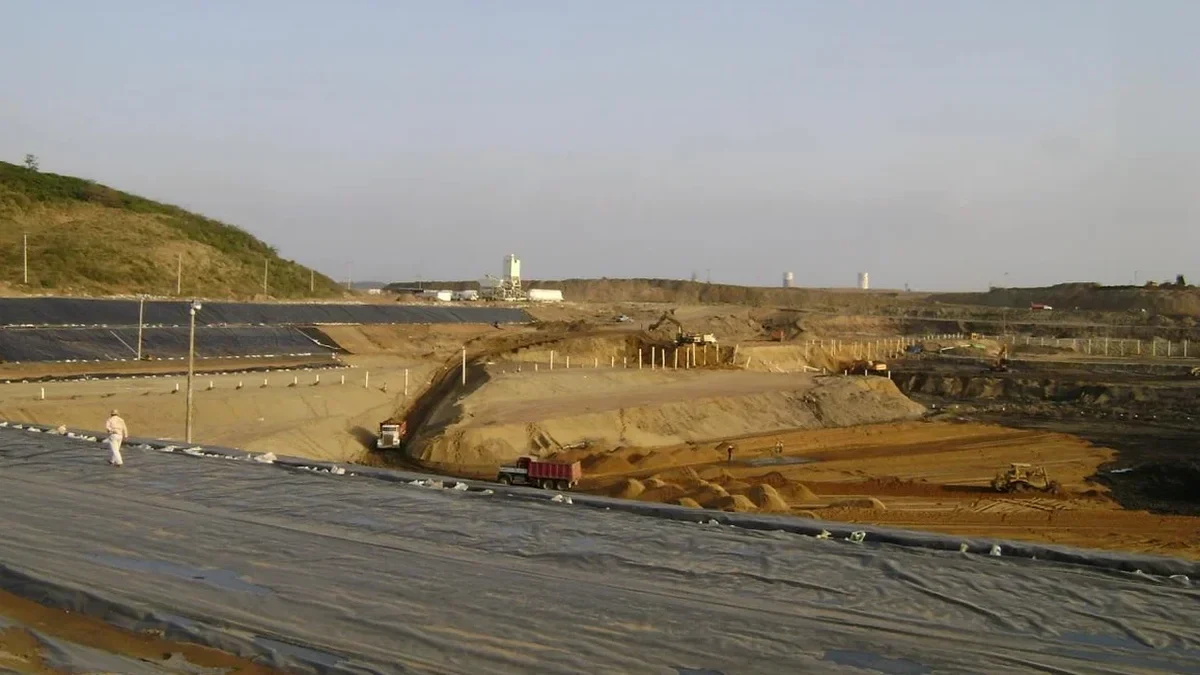
Local geotechnical conditions in San Diego
The coastal fog and winter rains in San Diego create a deceptively high corrosion risk for below-grade steel elements, a factor that catches many out-of-town contractors by surprise. The marine layer keeps the moisture content in the upper soils high, accelerating the degradation of tiebacks and soldier piles if the sacrificial steel thickness is under-specified. In our experience, the most common failure mode we see in the San Diego region is not a global basal heave, but rather a localized raveling of the face between soldier piles, especially when the excavation exposes poorly graded sands in the Linda Vista formation. A sudden cloudburst can erode this face in minutes, undermining the street above. Our design packages address this directly with a strict sequence of lagging installation and a requirement for immediate shotcrete facing when the excavation log confirms low-plasticity silts or loose sand seams.
Our services
A safe, constructible excavation design requires integrating the structural demand with the ground response. We deliver a complete design package that goes beyond just generating a bending moment envelope.
Shoring and Bracing Design
Complete structural calculations for soldier pile and lagging walls, secant pile walls, and internal bracing systems. We produce detailed construction drawings showing pile embedment, tieback inclination, and waler connection details, all sealed by a California-licensed engineer.
Construction Phase Monitoring and Review
On-site review of excavation performance against design assumptions. We monitor inclinometers and survey points to track lateral wall deflection, verifying that the movements stay within the predicted envelope and adjusting the bracing preloads if the ground conditions vary from the baseline report.
Frequently asked questions
How close to the property line can you excavate with a soldier pile wall in San Diego?
A soldier pile and lagging wall can be installed right up to the property line, provided we have an encroachment agreement with the neighbor for the tieback easements. The piles themselves are drilled vertically, so the footprint at the ground surface is minimal. We typically design the system so the tiebacks extend beyond the 45-degree influence line from the adjacent foundation, which often requires a bond length that starts 10 to 15 feet back from the property edge in the sandy formations common in San Diego.
What is the typical cost range for designing a deep excavation support system in San Diego?
Our design fees for a permanent or temporary deep excavation typically range from US$1,940 for a straightforward single-tier small lot excavation to US$8,830 for a complex multi-level basement with internal bracing and a comprehensive dewatering plan in a tight downtown San Diego infill site. The final scope depends on the face area to be supported and the number of adjacent structures to protect.
How do you handle groundwater in a deep excavation in Mission Valley?
Mission Valley’s groundwater table is notoriously high, often sitting just 10 to 15 feet below the existing grade. We do not recommend open sump pumping for deep cuts because it can induce piping in the silty sands. Our design typically specifies a system of deep wells with submersible pumps, spaced around the perimeter, to draw the phreatic surface down below the subgrade. We calculate the drawdown radius to ensure no adverse settlement occurs under nearby spread footings.
What is the difference between a cantilever and an anchored soldier pile wall?
A cantilever wall relies solely on the embedment depth below the excavation subgrade to resist lateral loads, which limits its practical height to about 10 to 12 feet in the stiff clays of the Linda Vista formation. An anchored wall uses high-strength steel tiebacks drilled into the ground behind the wall to brace it, allowing us to support excavations deeper than 40 feet. In San Diego’s corrosive coastal environment, we always specify a double corrosion protection system for the tieback strands.
What geotechnical reports do you need before starting the design?
At a minimum, we need a detailed geotechnical investigation that includes SPT N-values or CPT tip resistance every 2.5 feet of depth, laboratory shear strength tests on undisturbed samples, and a groundwater monitoring record from a standpipe piezometer. For San Diego's canyon-fill sites, we also require a grain size distribution analysis to classify the fill material, as the presence of cobbles or debris can completely change the constructability and the required drilling method for the tiebacks.